The FTC sued a paid 'sextortion assistance' service. Here is what actually helps
The FTC alleges a company charged $1,499 to $20,000 to stop blackmail and mostly did not. What the FBI, NCMEC and the Take It Down Act actually offer instead.
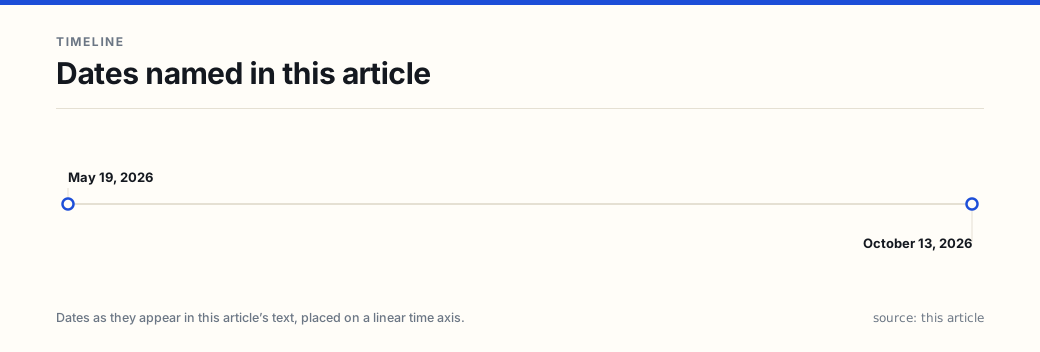
On October 13, 2026, the Federal Trade Commission announced that a federal court had granted its request to temporarily halt a company that sold itself as a rescue service for people being blackmailed with intimate images. The FTC’s complaint alleges that the company, its owner and eleven affiliated companies collected at least $60 million from victims while routinely doing almost nothing the victims were paying for.
The specifics are worth reading, because the sales pitch is common and the failure modes are predictable. According to the complaint, Digital Forensics Corporation LLC and its owner, Dmitry Belkin, charged consumers between $1,499 and $20,000 for a “Phase 1” package that was supposed to include tracking the extortionist’s location, communicating with them, producing an investigative report and reporting the crime to law enforcement — and in many instances did not perform those services. Victims were then pressed to buy “Phase 2.” To protect its reputation, the company allegedly suppressed negative reviews and manufactured thousands of positive ones. Where it did act, the FTC says, it often simply blocked the sender on the victim’s account — something the victim could do in seconds — invented chat transcripts, used made-up investigative information, and did not contact law enforcement.
Read that as an allegation, not a finding. The case is before the US District Court for the Northern District of Ohio, the Commission’s vote to file was 2-0, and the FTC’s own boilerplate is explicit that a complaint states what the Commission has reason to believe and that the court decides the case.
This article is about federal law and what a person can actually do; it is not legal advice about your situation. The FTC Act, the Telemarketing Sales Rule and the TAKE IT DOWN Act apply nationwide. State consumer-protection statutes and the authority of a state attorney general are separate and vary by state, and anything about recovering money you paid turns on your own state’s law.
The one sentence in the case worth remembering
The most useful allegation in the complaint is not about the price. It is about the advice.
The FTC alleges that the company told victims not to block the extortionist, so that the company could keep handling the conversation — advice the FTC describes as contrary to the advice of the FBI and other law enforcement experts. Stop and notice why that instruction is so damaging: the one action a blackmail victim can take immediately, alone and for free, is the action the seller told them not to take. Every day that conversation continued was a day the company could bill for.
The complaint also alleges the company used scare scripts tuned to who the victim was — telling a servicemember that the attack could end in a dishonorable discharge, or telling a married victim that the sender would approach their spouse and in-laws. That is pressure applied to someone in crisis: the director of the FTC’s Bureau of Consumer Protection said in announcing the case that the company “preys on consumers already in crisis, exploiting victims of sextortion by using fear to pressure them into paying thousands of dollars for services that are never provided.”
There is a structural reason a purchased “tracking campaign” was never likely to deliver. The FTC describes sextortion as routinely carried out by foreign scammers, which is the fact that makes the promise of identifying and reporting a perpetrator to US law enforcement so hard to keep.
What the FTC says to do instead
The FTC’s consumer-advice arm published its own guidance the same day, and it is short enough to quote in full, because the whole point is that none of it is complicated:
- Ignore and block the blackmailer. Do not pay them, and do not give them access to your devices or your financial accounts. Ignore the messages and stop communicating.
- Talk with someone you trust — a friend, a family member or a counsellor.
- Report it to criminal law enforcement. Sextortion is a serious crime. Report the perpetrator to your local police and to the FBI at tips.fbi.gov or 1-800-225-5324. If a minor is involved, report it through the National Center for Missing and Exploited Children’s CyberTipline.
- Research any paid service before you trust it. Search the company’s name with the words “scam”, “review” or “complaint”, and scroll past the paid search results — the complaint against this company alleges it bought its reputation, so the top of a search page is the least reliable place to look.
The FTC also named the websites it says were behind this operation — BlackmailHelpline.com, DigitalForensics.com, CyberBlackmail911.com and SecurityBreach911.com — as examples of the pattern. The search-results point is the general lesson: a company that generates its own reviews has an interest in being the first thing you find.
The right that actually removes an image
The reason the accusation about that one instruction lands so hard is that there is now a real, free, statutory route that does not involve paying anyone: the TAKE IT DOWN Act.
The FTC enforces section 3 of the Act, which set a May 19, 2026 deadline for covered platforms — websites, apps and online services including social media, messaging, image and video sharing, and gaming platforms — to do two things: give people a way to request removal of intimate images posted without consent, and remove those images and known identical copies within 48 hours of a valid request, at no charge.
If a platform does not act, the reporting route is TakeItDown.ftc.gov, which the FTC launched for exactly this. The reporting site also collects the free support routes in one place:
| Situation | Where to go |
|---|---|
| Image of a minor, or to report it | NCMEC CyberTipline; NCMEC’s Take It Down service for stopping the spread |
| Image of an adult, to stop it spreading | StopNCII.org |
| Distress, any time | 988 Suicide & Crisis Lifeline — call or text 988 |
| Domestic abuse context | National Domestic Violence Hotline, 1-800-799-7233 (text START to 88788) |
None of those costs money, and none of them requires a company to act on your behalf. That contrast — a free statutory right against a $1,499 package — is the entire article.
If you already paid
Three things are worth knowing, and the first is a limit on what the FTC’s case can do for you personally.
- The FTC’s lawsuit is not your refund, and it is not a claim you have to file to be counted. The Commission states that it does not resolve individual consumer reports. Where an FTC case does produce refunds, the agency says most of its cases do not require a claim at all — a court order typically requires the defendants to hand over a list of customers and what they paid — and that payments cannot go out until the legal action is complete and the money has been collected. Its refund cases are listed at ftc.gov/refunds, and the FTC adds that accepting a payment does not require you to give up rights you have under federal or state law.
- Report anyway, and report to more than one place. The FTC collects reports at ReportFraud.ftc.gov; your state attorney general’s consumer-protection office is a separate channel with separate authority; and if a crime was committed against you, the local police and the FBI channels above are the criminal route, not the civil one.
- Do not pay anyone to recover the money. The FTC’s own subject heading for this is blunt — “the worst of the worst: scams that target people who have already lost money to a scam”. Its guidance: “Don’t trust calls, letters, emails, texts, or messages on social media from someone who says they can recover money you lost in a scam for a fee. You’ll lose more money.” Government agencies and legitimate organisations will never ask for money to help you get a refund, and the FTC states that it never requires upfront fees or sensitive information such as your Social Security number or bank account details. Anyone who asks is not the FTC.
Whether you can sue the company yourself, and what you could recover, depends on your state’s law and on the contract you agreed to — questions for a lawyer in your state, or for a small local claim in the right circumstances, which the network explains in what small claims court can and cannot do.
The primary sources behind this article, and the rest of the network’s library, are collected in the official government resources directory.
This article is educational content for general information only and is not legal advice. It does not create an attorney-client relationship and does not apply to any individual’s situation, which depends on facts and on state law.
Frequently asked questions
- If I paid a company like this, is the FTC going to get my money back?
- Not by itself. The FTC's case is against the company, the court decides it, and the FTC states plainly that it does not resolve individual consumer reports — reports feed a database used by civil and criminal law enforcement. Whether you personally can recover what you paid depends on your own state's law and on any contract you signed, which is a different question from whether the FTC wins, and this article is not legal advice about it.
- Is it illegal to pay someone who is blackmailing me?
- No, and paying is not the harm the law targets — the person making the threat is the one committing a crime. The FTC describes sextortion as a rapidly growing threat to Americans that is routinely carried out by foreign scammers. The practical reason not to pay is not legality, it is that payment does not end the demands: the FTC's guidance is not to pay and not to give the sender access to your devices or accounts, and it cites the FBI's advice as pointing the same way.
- The company told me not to block the sender. Was that right?
- No, and the FTC's complaint makes the point directly: it alleges the company told consumers not to block the sextortionist so that the company could keep handling the conversation, which the FTC says is contrary to the advice of the FBI and other law enforcement experts. The FTC's consumer guidance is to ignore and block the blackmailer.
- What is the 48-hour rule I have heard about?
- It comes from the TAKE IT DOWN Act, which the FTC enforces. Covered platforms must give people a way to ask for removal of intimate images posted without consent, and must remove the images and known identical copies within 48 hours of a valid request, at no charge. If a platform does not, report it to the FTC at TakeItDown.ftc.gov.
Sources
Each source is a primary or official reference, checked before publication. Links open the original.
- Federal Trade Commission — press release, 'FTC Sues Operator of Sextortion Relief Scheme for Misleading Consumers into Believing it Would Identify Criminals and End Sextortion Attacks,' October 13, 2026: a federal court granted the FTC's request to temporarily halt the activities of Digital Forensics Corporation LLC and its CEO; the complaint alleges the company, its owner Dmitry Belkin and eleven affiliated companies misled victims into paying 'at least $60 million'; it charged consumers between $1,499 and $20,000; it allegedly often simply blocked the sextortionist on victims' accounts — which victims can do themselves — created fake chat transcripts, used made-up investigative information and did not contact law enforcement; it allegedly told consumers not to block sextortionists and instead to keep communicating so the company could handle it, which the FTC says is contrary to the advice of the FBI and other law enforcement experts; it allegedly suppressed negative reviews and generated thousands of fake positive ones; the alleged violations are of the FTC Act, the Telemarketing Sales Rule, the Reviews and Testimonials Rule and the Gramm-Leach-Bliley Act; the Commission vote was 2-0 and the complaint was filed in the US District Court for the Northern District of Ohio; the FTC notes that a complaint is an allegation and that the case will be decided by the court; the release states that sextortion is 'a rapidly growing threat to Americans, routinely carried out by foreign scammers who threaten to publish a nude or sexual image of the victim unless the victim pays the criminal', and quotes Christopher Mufarrige, Director of the FTC's Bureau of Consumer Protection: 'Digital Forensics preys on consumers already in crisis, exploiting victims of sextortion by using fear to pressure them into paying thousands of dollars for services that are never provided.' Note on retrieval: ftc.gov returned HTTP 403 to a scripted request and HTTP 404 to a scripted browser user-agent while serving the page normally in a browser, so this source was read through a browser-style fetch rather than a raw one — the same limitation recorded for fbi.gov below (ftc.gov/news-events/news/press-releases/2026/10/ftc-sues-operator-sextortion-relief-scheme-misleading-consumers-believing-it-would-identify)
- Federal Trade Commission, Consumer Advice — consumer alert, 'How to avoid deceptive sextortion assistance services and find real help,' October 13, 2026: ignore and block the blackmailer, and do not pay or give access to your devices or financial accounts; talk with someone you trust; report to local police and to the FBI (tips.fbi.gov, 1-800-225-5324), and if a minor is involved report through the National Center for Missing and Exploited Children's CyberTipline; the alert names BlackmailHelpline.com, DigitalForensics.com, CyberBlackmail911.com and SecurityBreach911.com as websites behind the company the FTC sued; it states that the Take It Down Act requires online platforms to remove intimate images within 48 hours of your request, free, and directs people whose platform has not acted to TakeItDown.ftc.gov; it advises researching paid removal services by searching the company name with words like 'scam', 'review' or 'complaint', and scrolling past paid search results; it gives free support contacts of NCMEC (1-800-843-5678) for minors and the National Domestic Violence Hotline (1-800-799-7233) for adults (consumer.ftc.gov/consumer-alerts/2026/10/how-avoid-deceptive-sextortion-assistance-services-and-find-real-help)
- Federal Trade Commission — press release, 'FTC Begins Enforcing the TAKE IT DOWN Act,' May 2026, and the FTC's Take It Down Act reporting site: the FTC enforces section 3 of the Act, which set a May 19, 2026 deadline for covered platforms to give people a way to request removal of intimate photos or videos shared without consent and to remove those images, and known identical copies, within 48 hours of a valid request; the FTC launched TakeItDown.ftc.gov for complaints about platforms that fail to act or fail to provide a removal process; the site also lists NCMEC's Take It Down service and the CyberTipline for images of minors, StopNCII.org for adults, the 988 Suicide & Crisis Lifeline, the National Domestic Violence Hotline on 1-800-799-7233 (text START to 88788) and the FBI on 1-800-CALL-FBI (takeitdown.ftc.gov and ftc.gov/news-events/news/press-releases/2026/05/ftc-begins-enforcing-take-it-down-act)
- Federal Trade Commission — the FTC states in its standard notice, repeated on its press releases, that it 'will never demand money, make threats, tell you to transfer money, or promise you a prize', and directs consumers to consumer.ftc.gov and to ReportFraud.ftc.gov to report fraud, scams and bad business practices; the reporting site adds that the FTC 'does not resolve individual consumer reports' and enters them into Consumer Sentinel, a database used by civil and criminal law enforcement authorities (reportfraud.ftc.gov)
- Federal Trade Commission, Consumer Advice — 'Refund and Recovery Scams': these are described as 'the worst of the worst: scams that target people who have already lost money to a scam'; 'Don't trust calls, letters, emails, texts, or messages on social media from someone who says they can recover money you lost in a scam for a fee. You'll lose more money'; 'Government agencies and legitimate organizations will never ask for money to help you get a refund. They will never ask for your financial account numbers or other personal information and will not guarantee that you'll get your money back. Anyone who does any of these things is a scammer'; the page also advises searching an organization's name with words like 'complaint', 'scam' or 'review' and checking with a state attorney general (consumer.ftc.gov/articles/refund-and-recovery-scams)
- Federal Trade Commission — 'Refund Programs: Frequently Asked Questions': 'The FTC never requires you to pay upfront fees or asks you for sensitive information, like your Social Security number or bank account information. If someone claims to be from the FTC and asks for money, it's a scam'; refund amounts 'depend on how much the FTC is able to collect from the defendants and how many people lost money', and in most cases money is distributed pro rata; 'Most FTC cases do not require you to file a claim' because court orders typically require defendants to provide a customer list with what each paid; payments cannot be sent 'until all legal action is complete, and we have collected the money from the defendants'; 'The FTC does not require you to forfeit any rights you may have under federal or state law to get your refund'; refund cases are listed at ftc.gov/refunds (ftc.gov/enforcement/recent-ftc-cases-resulting-refunds/refund-programs-frequently-asked-questions)
- Federal Bureau of Investigation — tips.fbi.gov, the FBI's tip line, and 1-800-225-5324 (1-800-CALL-FBI), the reporting channels the FTC's consumer guidance directs sextortion victims to; the FBI's sextortion guidance page is linked from that FTC alert as the source of the advice not to pay and not to keep engaging. Note on retrieval: fbi.gov returned HTTP 403 to an automated request when this article was written, so the FBI's advice here is cited as the FTC characterises and links it, not as text read directly from the FBI's page (fbi.gov)